
Motorhome routes from Málaga, already planned

Thirteen itineraries starting from Mijas Costa, fine-tuned with our customers: what to see each day, what to do and where to sleep with the motorhome. You just choose the route.

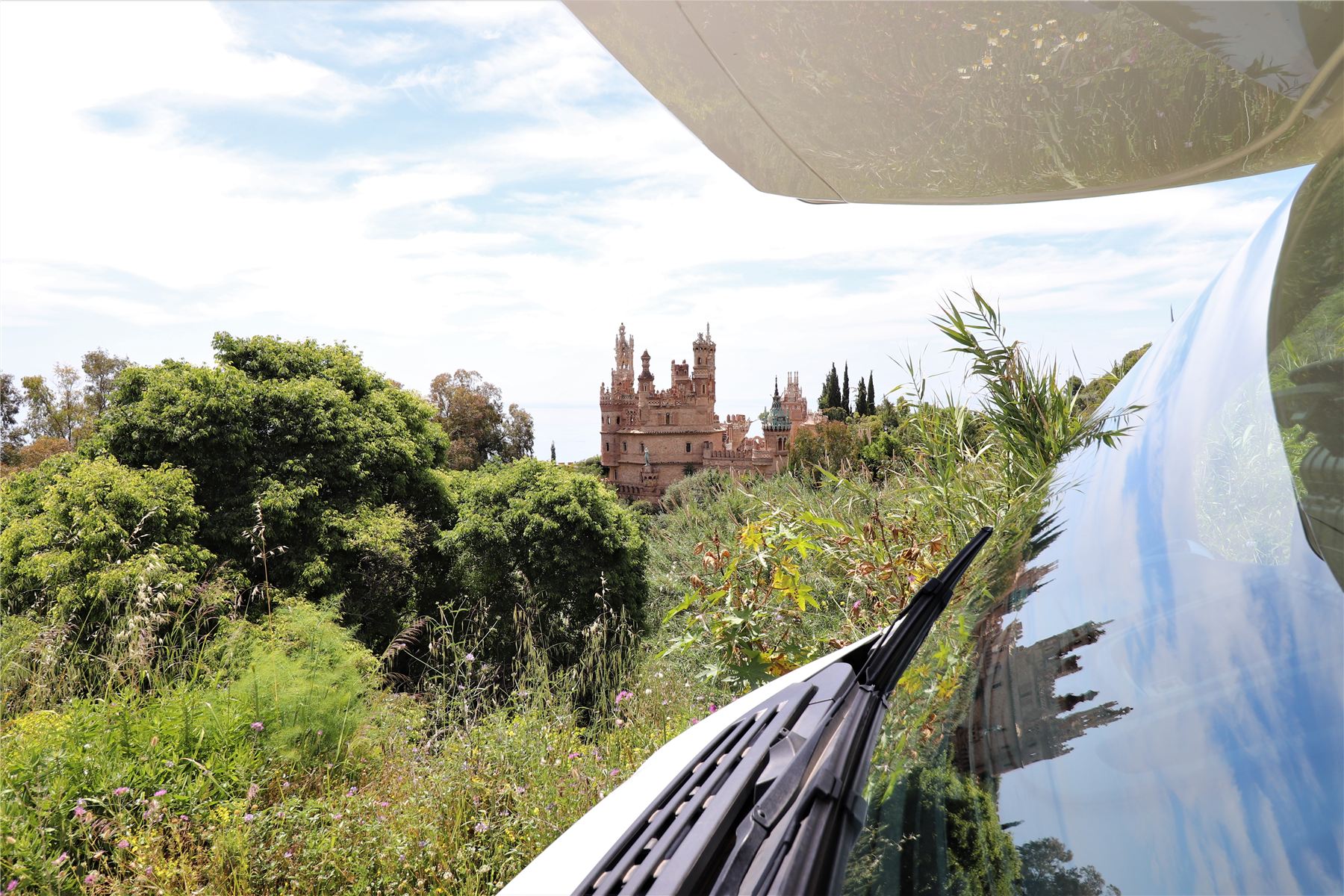
View from the motorhome cab: Colomares Castle in Benalmádena

How many days do you have and what do you fancy?

RouteDaysApprox. kmBest timeIdeal for
Costa de la Luz (Cádiz)6–7550April–OctoberBeaches, surf and kite, fish
Doñana, Huelva and Aracena6–7800March–June, September–OctoberNature, long beaches, ham
Algarve and Vicentine coast10–121,300May–OctoberCliffs, coves, surf, hiking
Cabo de Gata and Tabernas5–6650March–June, September–NovemberUnspoilt coves, snorkelling, desert
Caminito del Rey, Ronda and the white villages3–4320All yearShort break, hiking, villages
Nerja, Granada and the Alpujarra4–5500All year (snow in winter)Culture, mountains, food
Úbeda, Baeza and Sierra de Cazorla5800April–June, September–OctoberNature, wildlife, heritage
Sierra de las Nieves and the Genal valley3260All year (autumn is best)Short break, autumn, villages
Antequera, El Torcal and Fuente de Piedra3250February–June (flamingos)Heritage, nature, birds
Córdoba, Carmona and Seville5600March–May, October–NovemberCulture, heritage, food
Murcia coast and Cartagena6950March–June, September–NovemberCoves, diving, history
Extremadura: Mérida, Cáceres and Monfragüe71,100March–June, October–NovemberHistory, birds, dehesa
Alentejo, Lisbon and the Vicentine coast101,500April–OctoberCities, Atlantic beaches, food

Remember the minimum rental: 3 days in low season and 7 in mid and high season. With more than 3 days, kilometres are unlimited.

Costa de la Luz by motorhome: Tarifa to Sanlúcar in 7 days

Cádiz · our customers' favourite

Following the N-340 road we are named after, this route takes in the wildest beaches of Andalusia's Atlantic coast: dunes, white villages, postcard sunsets and the best tuna in the world.

  • 7 days
  • ≈ 550 km round trip
  • April–October
  • Beaches, surf, kitesurf, food
  1. Day 1 · Mijas → Tarifa ≈ 115 km · 1 h 30

    Strait of Gibraltar viewpoint (with luck you'll see Africa), a walk through Tarifa's old town and Punta de Tarifa, the southern tip of Europe. Sunset on Valdevaqueros beach.

    Sleep: Camping Tarifa or Camping Paloma

  2. Day 2 · Tarifa

    Boat trip to spot dolphins and whales in the Strait, climb the Valdevaqueros dune and try a kitesurf or paddleboard lesson.

    Sleep: same campsite

  3. Day 3 · Bolonia and Zahara de los Atunes ≈ 55 km

    The Bolonia dune and the Roman ruins of Baelo Claudia, right by the sand. Lunch of almadraba bluefin tuna in Zahara de los Atunes.

    Sleep: Camping Pinar San José (Zahora, Caños de Meca)

  4. Day 4 · Caños de Meca and Vejer ≈ 30 km

    Trafalgar lighthouse, the clifftop trail to Torre del Tajo in La Breña Natural Park, and in the afternoon Vejer de la Frontera, one of Spain's prettiest white villages.

    Sleep: Camping Pinar San José

  5. Day 5 · Conil de la Frontera ≈ 20 km

    Roche coves, Fontanilla beach and fried fish in town. Lively evenings in summer.

    Sleep: Camping La Rosaleda

  6. Day 6 · Cádiz and El Puerto de Santa María ≈ 55 km

    Leave the motorhome at the campsite and go into Cádiz by public transport: cathedral, La Caleta beach, Central Market and the La Viña quarter. Afternoon in El Puerto.

    Sleep: Camping Playa Las Dunas (El Puerto)

  7. Day 7 · Sanlúcar, Jerez and back ≈ 260 km

    Prawns at Bajo de Guía (Sanlúcar), a sherry bodega visit in Jerez and back to Mijas via the AP-4 and A-381.

Recommended campsites

  • Camping Tarifa — next to Valdevaqueros beach, with walking access to the sand.
  • Camping Paloma — Tarifa, near Punta Paloma and its dune.
  • Camping Pinar San José — Zahora (Caños de Meca), in a pine wood, with a pool.
  • Camping La Rosaleda — Conil; it has level motorhome pitches in the upper part.
  • Camping Playa Las Dunas — El Puerto de Santa María, next to the beach and well connected to Cádiz and Jerez.

Tips

  • When the easterly Levante wind blows hard, swap Tarifa for Caños de Meca or Conil, which are more sheltered.
  • Cádiz old town is not suitable for motorhomes: park outside or take the bus.
  • In July and August book campsites in advance and ask for a pitch for 7.5 m.
Book the motorhome for this route

Doñana, Huelva beaches and Sierra de Aracena in 7 days

Huelva

Marshes with flamingos, miles of unspoilt beach among pine woods, the places of Columbus and, to finish, the mountains of Iberian ham.

  • 7 days
  • ≈ 800 km round trip
  • March–June, September–October
  • Nature, beaches, food
  1. Day 1 · Mijas → El Rocío → Mazagón ≈ 330 km · 3 h 30

    A stroll through the village of El Rocío, with its sand streets, and along the edge of the marsh, where flamingos and free-roaming horses are easy to spot.

    Sleep: Camping Playa de Mazagón

  2. Day 2 · Doñana National Park

    Guided 4x4 tour inside the park (book ahead) and an afternoon on Matalascañas beach.

    Sleep: Camping Playa de Mazagón

  3. Day 3 · Columbus sites ≈ 30 km

    Muelle de las Carabelas with replicas of Columbus's ships, La Rábida Monastery and Moguer. In the afternoon, the Cuesta Maneli boardwalk to a beach among dunes.

    Sleep: Camping Playa de Mazagón

  4. Day 4 · El Rompido and Isla Cristina ≈ 70 km

    Boat to the Flecha de El Rompido, an unspoilt sand spit between river and sea. Then on to Isla Cristina.

    Sleep: Camping Giralda or Camper Park Playas de Luz

  5. Day 5 · Isla Cristina and Ayamonte

    Isla Cristina marshes, fish market and seafood. From Ayamonte, ferry to Vila Real de Santo António (Portugal) for a coffee on the other side.

    Sleep: same place

  6. Day 6 · Sierra de Aracena ≈ 150 km

    Gruta de las Maravillas cave (best booked), Aracena castle and mountain villages such as Alájar or Fuenteheridos. Dinner of Jabugo Iberian ham and cured meats.

    Sleep: Eco Camping El Madroñal (Fuenteheridos)

  7. Day 7 · Back via Seville ≈ 300 km

    Return via the A-66 and A-92, with an optional stop in Seville.

Recommended campsites and motorhome areas

  • Camping Playa de Mazagón — a few minutes from the beach and Doñana.
  • Camping Giralda — Isla Cristina, 150 m from the sea, with a pool.
  • Camper Park Playas de Luz — Isla Cristina, motorhome area with services.
  • Eco Camping El Madroñal — Fuenteheridos, in the heart of the Sierra de Aracena Natural Park.

Tips

  • In and around Doñana you may not stay overnight outside campsites or authorised areas.
  • In summer there are mosquitoes by the marsh: bring repellent.
  • If you have extra days, combine this route with the Algarve: Isla Cristina is 20 minutes from Portugal.

Book the motorhome for this route

Algarve and the Vicentine coast by motorhome: 10 days

Portugal

Lagoons, sand islands, golden cliffs, Cape St Vincent and the wild Alentejo coast. The perfect route if you have 10 days or more.

  • 10–12 days
  • ≈ 1,300 km round trip
  • May–October
  • Coves, cliffs, surf, hiking
  1. Day 1 · Mijas → Tavira ≈ 420 km · 4 h 30

    Via Seville and Huelva to the border. Tavira, with its Roman bridge and hipped roofs, is the perfect gateway to the Algarve.

    Sleep: Parque de Campismo Ria Formosa (Cabanas de Tavira)

  2. Day 2 · Ilha de Tavira

    Boat to the island and Praia do Barril with its famous anchor cemetery. Grilled fish dinner in Cabanas.

    Sleep: Ria Formosa

  3. Day 3 · Olhão, islands and Faro ≈ 50 km

    Olhão market, boat to Armona or Culatra islands in the Ria Formosa and Faro's walled old town.

    Sleep: Ria Formosa

  4. Day 4 · Benagil and the Seven Valleys ≈ 90 km

    The Seven Hanging Valleys trail between Praia da Marinha and Vale Centeanes, and a boat trip to see the Benagil cave from the sea.

    Sleep: Yelloh! Village Algarve Turiscampo (Luz, Lagos)

  5. Day 5 · Lagos and Ponta da Piedade

    Kayaking among the Ponta da Piedade grottoes, Praia Dona Ana and Lagos old town.

    Sleep: Turiscampo

  6. Day 6 · Sagres and Cape St Vincent ≈ 30 km

    Sagres fortress, surf beaches like Tonel or Beliche and sunset at Cape St Vincent, the sailors' end of the world.

    Sleep: Orbitur Sagres

  7. Day 7 · Vicentine coast ≈ 110 km

    Up the west coast: Praia da Bordeira in Carrapateira, Arrifana and Aljezur, Odeceixe… to Vila Nova de Milfontes.

    Sleep: Campiférias (Vila Nova de Milfontes)

  8. Day 8 · Milfontes and Porto Covo

    A stretch of the Fishermen's Trail of the Rota Vicentina, the Mira river beaches and Porto Covo, facing Pessegueiro island.

    Sleep: Campiférias

  9. Day 9 · Milfontes → Isla Cristina ≈ 260 km

    A relaxed drive back towards Spain through inland Alentejo, stopping in Mértola if you like.

    Sleep: Camping Giralda (Isla Cristina)

  10. Day 10 · Back to Mijas ≈ 380 km

    Got 12 days? Add Évora or Lisbon before heading back.

Recommended campsites

  • Parque de Campismo Ria Formosa — Cabanas de Tavira, 1 km from the lagoon, with a motorhome service area.
  • Yelloh! Village Algarve Turiscampo — Luz (Lagos), open all year, 2.5 km from the beach.
  • Orbitur Sagres — at the south-western tip of Portugal, open all year.
  • Campiférias — in the centre of Vila Nova de Milfontes, among pine trees.

Important tips

  • Overnight stays: in Portugal sleeping in a motorhome outside campsites or authorised areas is heavily restricted, and forbidden in protected natural areas. Always use campsites or motorhome areas.
  • Tolls: the A22 Algarve motorway has electronic tolls. Register the number plate when entering Portugal or use the N125 national road.
  • Let us know a week in advance that you are going to Portugal so we can extend the insurance.

Book the motorhome for this route

Cabo de Gata and the Tabernas desert in 6 days

Almería

Cabo de Gata-Níjar Natural Park holds some of the most unspoilt coves in the Mediterranean, white fishing villages and amazing seabeds for snorkelling.

  • 5–6 days
  • ≈ 650 km round trip
  • March–June, September–November
  • Coves, snorkelling, desert
  1. Day 1 · Mijas → San José ≈ 270 km · 3 h

    Coastal motorway (A-7) with an optional stop in Nerja or Almuñécar. Evening stroll and dinner in San José.

    Sleep: Camping Los Escullos

  2. Day 2 · Genoveses and Mónsul

    The park's two most famous beaches, with dunes and the rock from the Indiana Jones film. In summer vehicle access is restricted: take the bus from San José.

    Sleep: Camping Los Escullos

  3. Day 3 · Cabo de Gata lighthouse and salt flats

    Arrecife de las Sirenas viewpoint by the lighthouse, snorkelling at Cala Rajá and flamingos on the Cabo de Gata salt flats at sunset.

    Sleep: Camping Los Escullos

  4. Day 4 · Rodalquilar and Las Negras ≈ 20 km

    Rodalquilar's old gold mines, El Playazo beach and a hike (or boat from Las Negras) to San Pedro cove.

    Sleep: wecamp Cabo de Gata (Las Negras)

  5. Day 5 · Agua Amarga, Mojácar and Níjar ≈ 90 km

    A swim at Agua Amarga, up to Mojácar village and shopping for pottery and rag rugs in Níjar.

    Sleep: wecamp Cabo de Gata

  6. Day 6 · Tabernas desert and back ≈ 300 km

    The Wild West town at Oasys MiniHollywood, where spaghetti westerns were filmed, and back to Mijas via the A-92 or the coast.

Recommended campsites

  • Camping Los Escullos — inside the natural park, between San José and Rodalquilar, with a pool.
  • Camping Tau — San José, a few minutes' walk from the village. Small pitches: ask for one suitable for 7.5 m.
  • wecamp Cabo de Gata — Las Negras, facing Cala del Cuervo (formerly Camping La Caleta).

Tips

  • Overnight stays outside campsites and authorised areas are forbidden in the natural park.
  • July and August are very hot and the coves get crowded: spring and autumn are ideal.
  • Bring a snorkel mask: the seagrass beds are among the best in Spain.

Book the motorhome for this route

Caminito del Rey, Ronda and the white villages in 4 days

Málaga and Cádiz · short break

The ideal getaway for a long weekend or low season: gorges, the Tajo of Ronda and the white villages of the Sierra de Grazalema.

  • 3–4 days
  • ≈ 320 km
  • All year
  • Hiking, villages, viewpoints
  1. Day 1 · Mijas → Caminito del Rey ≈ 70 km · 1 h

    Walk the Caminito del Rey, boardwalks hanging in the Gaitanes gorge (book tickets online in advance). Afternoon swim or paddleboarding on the reservoirs.

    Sleep: Camping Parque Ardales

  2. Day 2 · Setenil and Ronda ≈ 80 km

    Setenil de las Bodegas and its houses under the rock. In the afternoon, Ronda: Puente Nuevo, the Tajo gorge, the bullring and the Cuenca gardens.

    Sleep: Camping El Sur (Ronda)

  3. Day 3 · Zahara de la Sierra and Grazalema ≈ 60 km

    Zahara castle and reservoir, the Puerto de las Palomas pass and its views, and the village of Grazalema, famous for its blankets and cheeses.

    Sleep: Camping Tajo Rodillo (Grazalema)

  4. Day 4 · Back through the Serranía ≈ 110 km

    Return via Ronda and the San Pedro Alcántara road (A-397), stopping in the Genal valley if there's time.

Recommended campsites

  • Camping Parque Ardales — in a pine wood by the Conde de Guadalhorce reservoir, about 3 km from the Caminito's north entrance.
  • Camping El Sur — 3 km south of Ronda, among olive trees, with a pool and mountain views.
  • Camping Tajo Rodillo — a 10-minute walk from the centre of Grazalema, with a pool.

Tips

  • The mountain roads are good but winding: take your time and use low gears going downhill.
  • In Setenil and Ronda park at the edge of town: the central streets are narrow.

Book the motorhome for this route

Nerja, Granada and the Alpujarra in 5 days

Granada

From the Balcón de Europa to the Alhambra and the highest villages in Spain, on the southern side of Sierra Nevada.

  • 4–5 days
  • ≈ 500 km
  • All year
  • Culture, mountains, food
  1. Day 1 · Mijas → Nerja and Frigiliana ≈ 85 km · 1 h

    Nerja Cave, the Balcón de Europa and the Maro coves. Sunset in the Moorish lanes of Frigiliana.

    Sleep: Camping Nerja

  2. Day 2 · Granada ≈ 110 km

    A walk through the Albaicín, free tapas with every drink and sunset over the floodlit Alhambra from the San Nicolás viewpoint.

    Sleep: Camping Las Lomas (Güéjar Sierra), with a bus to Granada

  3. Day 3 · The Alhambra

    Nasrid Palaces, Generalife and Alcazaba. Tickets sell out: buy them as soon as you have dates. In winter, you can go to the snow in Sierra Nevada.

    Sleep: Camping Las Lomas

  4. Day 4 · The Alpujarra ≈ 90 km

    Lanjarón, the Poqueira gorge with Pampaneira, Bubión and Capileira, and Trevélez, famous for its ham.

    Sleep: Camping Trevélez

  5. Day 5 · Back along the coast ≈ 200 km

    Down via Órgiva and Motril and back along the Mediterranean motorway.

Recommended campsites

  • Camping Nerja — with sea views, 5 minutes from Maro and Nerja Cave.
  • Camping Las Lomas — Güéjar Sierra, at 1,100 m facing Sierra Nevada, open all year with a bus to Granada.
  • Camping Trevélez — next to one of the highest villages in Spain.

Tips

  • In the Alpujarra villages park at the entrance: the centres are not suitable for motorhomes.
  • In winter the mountain nights are cold; the motorhome has heating.

Book the motorhome for this route

Úbeda, Baeza and the Sierra de Cazorla in 5 days

Inland Andalusia

Two Renaissance World Heritage towns and Spain's largest protected natural area, with rivers, waterfalls and deer at dusk.

  • 5 days
  • ≈ 800 km round trip
  • April–June, September–October
  • Nature, wildlife, heritage
  1. Day 1 · Mijas → Baeza and Úbeda ≈ 290 km · 3 h

    Renaissance squares and palaces of Baeza and Úbeda. In the late afternoon, up into the mountains.

    Sleep: Camping Puente de las Herrerías

  2. Day 2 · Cazorla and the source of the Guadalquivir

    The town of Cazorla with La Yedra castle, and a walk to the source of the Guadalquivir river, very close to the campsite.

    Sleep: Camping Puente de las Herrerías

  3. Day 3 · Río Borosa trail ≈ 40 km

    One of the most beautiful walks in Spain: waterfalls, the Cerrada de Elías gorge and turquoise water.

    Sleep: Camping Fuente de la Pascuala (Coto Ríos)

  4. Day 4 · Tranco and Hornos de Segura ≈ 50 km

    Viewpoints over the Tranco reservoir, the cliff-top village of Hornos and deer and mouflon at dusk.

    Sleep: Camping Fuente de la Pascuala

  5. Day 5 · Back via Antequera ≈ 350 km

    Return via Jaén and Granada with a stop in Antequera: World Heritage dolmens and El Torcal.

Recommended campsites

  • Camping Puente de las Herrerías — by the Guadalquivir river at 1,000 m, with motorhome pitches and a service area. Usually open April to mid-October.
  • Camping Fuente de la Pascuala — km 55 of the Cazorla–Tranco road, 2 km from Coto Ríos, spacious and shady.

Tips

  • The road inside the park is narrow and winding: take it slowly and avoid driving at night (wildlife on the road).
  • Out of season, check the campsites are open.

Book the motorhome for this route

Sierra de las Nieves and the Genal valley in 3 days

Málaga · short break

The perfect trip for a 3-day rental: Spanish fir forests in a national park, the blue village of Júzcar and the chestnut woods of the Genal, which turn copper-coloured in autumn.

  • 3 days
  • ≈ 260 km round trip
  • All year (autumn is best)
  • Short break, autumn, villages
  1. Day 1 · Mijas → Tolox, Yunquera and Ronda ≈ 110 km · 2 h

    Up through Coín to Tolox, at the foot of the mountains, and Yunquera, gateway to the Sierra de las Nieves National Park: the Guarda Forestal viewpoint and a walk among Spanish firs, a tree that only grows here. On via El Burgo to Ronda.

    Sleep: Camping El Sur (Ronda)

  2. Day 2 · Genal valley ≈ 60 km

    Júzcar, the village painted blue; Cartajima and its viewpoints; Igualeja, with the source of the river Genal; and chestnut woods all along the road. In autumn it is the famous “copper forest”.

    Sleep: Camping El Sur (Ronda)

  3. Day 3 · Gaucín, Casares and back along the coast ≈ 110 km

    The Eagle's Castle in Gaucín, with views of Gibraltar and Africa on clear days, and Casares clinging to the mountain. Down to the coast via Manilva and back to Mijas.

Where to sleep

  • Camping El Sur — 2 km from Ronda, with a pool and pitches overlooking the mountains. A good base for the first two days.

Tips

  • The Genal roads are narrow and winding: drive slowly and avoid going through village centres, which are not suitable for 7.5 m.
  • In autumn, copper forest weekends are busy: go midweek if you can.
  • A 3-day rental includes 800 km, more than enough for this route.

Book the motorhome for this route

Antequera, El Torcal and the Fuente de Piedra lagoon in 3 days

Málaga · short break

An hour from Mijas: World Heritage dolmens, the impossible rocks of El Torcal and thousands of flamingos on the Fuente de Piedra lagoon.

  • 3 days
  • ≈ 250 km round trip
  • February–June (flamingos)
  • Heritage, nature, birds
  1. Day 1 · Mijas → Antequera ≈ 90 km · 1 h

    The Menga, Viera and El Romeral dolmens, the Alcazaba and the collegiate church of Santa María, with the Peña de los Enamorados in the background. In the afternoon, on to the lagoon.

    Sleep: Camping Fuente de Piedra

  2. Day 2 · El Torcal and the lagoon ≈ 70 km

    A walk in the El Torcal nature area (the green trail is short and fine for children). At sunset, flamingos on the Fuente de Piedra lagoon from the visitor centre viewpoints.

    Sleep: Camping Fuente de Piedra

  3. Day 3 · Archidona and back ≈ 130 km

    The octagonal Plaza Ochavada in Archidona and back to the coast on the A-45, stopping for lunch in Antequera: porra antequerana and mollete bread.

Where to sleep

  • Camping Fuente de Piedra — next to the lagoon, with a pool in summer; 20 minutes from Antequera.

Tips

  • Flamingos breed on the lagoon from February to June; in summer it often dries up.
  • El Torcal is at 1,200 m: bring a jacket even if it is hot on the coast.
  • Check opening times for the Menga and Viera dolmens; they close on Mondays.

Book the motorhome for this route

Córdoba, Carmona and Seville in 5 days

Inland Andalusia

Monumental Andalusia: the Mosque of Córdoba, its patios and Medina Azahara, the fortress of Carmona and the Seville of the Giralda and Triana.

  • 5 days
  • ≈ 600 km round trip
  • March–May, October–November
  • Culture, heritage, food
  1. Day 1 · Mijas → Córdoba ≈ 210 km · 2 h 15

    First afternoon in the Jewish quarter and the Roman bridge at sunset, with the Mosque lit up.

    Sleep: Camping El Brillante

  2. Day 2 · Córdoba and Medina Azahara ≈ 20 km

    The Mosque-Cathedral first thing, the Alcázar of the Christian Monarchs and, in the afternoon, the caliphal city of Medina Azahara. In May, don't miss the Patios Festival.

    Sleep: Camping El Brillante

  3. Day 3 · Carmona → Seville ≈ 150 km

    The Roman necropolis and fortress of Carmona, overlooking the plain. Arrival in Seville and a stroll through Triana at dusk.

    Sleep: Camping Villsom (Dos Hermanas), with a bus to the centre

  4. Day 4 · Seville

    The Cathedral and Giralda, the Royal Alcázar, the Santa Cruz quarter and Plaza de España. Leave the motorhome at the campsite and get around by bus or metro.

    Sleep: Camping Villsom

  5. Day 5 · Osuna and back ≈ 210 km

    The main square, collegiate church and university of Osuna, and back to Mijas on the A-92 and A-45.

Where to sleep

  • Camping El Brillante — in a residential area of Córdoba, with a city bus to the centre.
  • Camping Villsom — Dos Hermanas, 15 km from Seville, with a pool and a bus to the city.

Tips

  • In July and August Córdoba and Seville go above 40 °C: spring or autumn is better.
  • Don't drive the motorhome into the historic centres; leave it at the campsite and use public transport.
  • In high season, buy tickets for the Royal Alcázar in Seville and the Mosque of Córdoba in advance.

Book the motorhome for this route

Murcia coast: Águilas, Mazarrón, Cartagena and Calblanque in 6 days

Murcia

Crystal-clear coves, the Roman theatre of Cartagena, the seabed of Cabo de Palos and Calblanque regional park, one of the last stretches of unspoilt Mediterranean coast.

  • 6 days
  • ≈ 950 km round trip
  • March–June, September–November
  • Coves, diving, history
  1. Day 1 · Mijas → Águilas ≈ 370 km · 3 h 45

    The longest drive of the route, on the A-7. Arrival in Águilas, San Juan castle and the first coves.

    Sleep: Camping Bellavista (Águilas)

  2. Day 2 · Cope coves and Bolnuevo ≈ 50 km

    Coves in the Cabo Cope regional park and, at Bolnuevo (Mazarrón), the Gredas: sandstone sculptures shaped by the wind.

    Sleep: Camping Los Delfines (Isla Plana)

  3. Day 3 · Cartagena ≈ 35 km

    Roman theatre, Punic wall and Civil War shelter. In the afternoon, the guns of the Castillitos battery above Cabo Tiñoso.

    Sleep: Camping La Manga

  4. Day 4 · Calblanque and Cabo de Palos ≈ 30 km

    The wild beaches of Calblanque (in summer access is by shuttle bus) and snorkelling at Cabo de Palos, next to the Islas Hormigas marine reserve.

    Sleep: Camping La Manga

  5. Day 5 · Mar Menor ≈ 40 km

    A quiet day on Europe's largest saltwater lagoon: the San Pedro del Pinatar salt pans with flamingos and a mud bath at Lo Pagán.

    Sleep: Camping La Manga

  6. Day 6 · Back home ≈ 450 km · 4 h 30

    Back on the A-7, stopping for lunch in Mojácar or Almería.

Where to sleep

  • Camping Bellavista — Águilas, small and family-run, close to the coves.
  • Camping Los Delfines — Isla Plana (Mazarrón), right on the seafront.
  • Camping La Manga — El Algar, between the Mar Menor and Calblanque, well equipped and with motorhome services.

Tips

  • It's a long route: with more than 3 rental days, mileage is unlimited.
  • In July and August car access to Calblanque is restricted; check the shuttle bus service.
  • To dive at Islas Hormigas you need to go with an authorised dive centre.

Book the motorhome for this route

Extremadura: Mérida, Cáceres, Trujillo and Monfragüe in 7 days

Extremadura

Roman Mérida, medieval Cáceres, the Trujillo of the conquistadors and the skies of Monfragüe, full of vultures, eagles and black storks.

  • 7 days
  • ≈ 1,100 km round trip
  • March–June, October–November
  • History, birds, dehesa
  1. Day 1 · Mijas → Mérida ≈ 420 km · 4 h

    Via Seville and the A-66 (Silver Route). First evening on the Roman bridge over the Guadiana.

    Sleep: Camping Mérida

  2. Day 2 · Roman Mérida

    Theatre and amphitheatre, National Museum of Roman Art, Temple of Diana and the Los Milagros aqueduct.

    Sleep: Camping Mérida

  3. Day 3 · Cáceres ≈ 75 km

    The World Heritage old town: palaces, towers and storks. At night it is lit up and almost empty.

    Sleep: Camping Cáceres

  4. Day 4 · Trujillo → Monfragüe ≈ 110 km

    The Plaza Mayor and castle of Trujillo and, in the afternoon, on to the Monfragüe hills.

    Sleep: Camping Monfragüe

  5. Day 5 · Monfragüe National Park ≈ 40 km

    The Salto del Gitano, with griffon vultures a few metres away, the castle viewpoint and Villarreal de San Carlos. Bring binoculars.

    Sleep: Camping Monfragüe

  6. Day 6 · Zafra → Seville ≈ 330 km

    South along the Silver Route with a stop in the squares of Zafra.

    Sleep: Camping Villsom (Dos Hermanas)

  7. Day 7 · Back home ≈ 220 km · 2 h 15

    Back to Mijas on the A-92 and A-45.

Where to sleep

  • Camping Mérida — on the outskirts of the city, by the old N-V road.
  • Camping Cáceres — famous because every pitch has its own bathroom.
  • Camping Monfragüe — Malpartida de Plasencia, at the park entrance, with a pool and shade.
  • Camping Villsom — Dos Hermanas (Seville), to break up the drive home.

Tips

  • From late March to April, detour to the Jerte valley to see the cherry trees in blossom.
  • In Monfragüe you can only stay overnight at the campsite or in authorised areas.
  • A long route: unlimited mileage (more than 3 days) comes in handy.

Book the motorhome for this route

Alentejo, Lisbon and the Vicentine coast in 10 days

Portugal

Évora and its Roman temple, the Lisbon of trams and viewpoints, Sintra and the wildest Vicentine coast, returning through the Algarve.

  • 10 days
  • ≈ 1,500 km round trip
  • April–October
  • Cities, Atlantic beaches, food
  1. Day 1 · Mijas → Huelva ≈ 330 km · 3 h 15

    First leg to the Huelva coast and sunset on the beach.

    Sleep: Camping Playa La Bota (Punta Umbría)

  2. Day 2 · Mértola → Évora ≈ 260 km

    Into Portugal along the Guadiana: Mértola, a walled white village above the river, and on to Évora.

    Sleep: Orbitur Évora

  3. Day 3 · Évora ≈ 30 km

    Roman temple, cathedral, Capela dos Ossos and, just outside, the Cromeleque dos Almendres, a stone circle older than Stonehenge.

    Sleep: Orbitur Évora

  4. Day 4 · Évora → Lisbon ≈ 135 km

    Arrival in Lisbon over the 25 de Abril bridge. Afternoon in the Bairro Alto and the São Pedro de Alcântara viewpoint.

    Sleep: Lisboa Camping (Monsanto), with a bus to the centre

  5. Day 5 · Lisbon

    Alfama, tram 28, St George's Castle, Baixa and Chiado. Dinner with fado.

    Sleep: Lisboa Camping

  6. Day 6 · Belém and Sintra

    By public transport: Belém Tower, the Jerónimos monastery and its pastéis, and the train to Sintra for the Pena palace.

    Sleep: Lisboa Camping

  7. Day 7 · Lisbon → Vila Nova de Milfontes ≈ 190 km

    South via Setúbal and Comporta to the Vicentine coast.

    Sleep: Campiférias (Vila Nova de Milfontes)

  8. Day 8 · Vicentine coast ≈ 40 km

    A stretch of the Fishermen's Trail along the cliffs and beaches such as Malhão or Almograve.

    Sleep: Campiférias

  9. Day 9 · Aljezur → Lagos ≈ 110 km

    Odeceixe, Aljezur and arrival in the Algarve at Lagos and Ponta da Piedade.

    Sleep: Orbitur Valverde (Lagos)

  10. Day 10 · Back home ≈ 470 km · 4 h 45

    Back on the A22 and A-49 to Seville, and the A-92 to Mijas.

Where to sleep

  • Camping Playa La Bota — Punta Umbría, in a pine wood by the beach.
  • Orbitur Évora — 2 km from the walled city.
  • Lisboa Camping — in Monsanto forest park, the most practical base for the city.
  • Campiférias — in the village of Vila Nova de Milfontes.
  • Orbitur Valverde — near Praia da Luz and Lagos.

Tips

  • Let us know a week in advance that you are going to Portugal so we can extend the insurance.
  • The Algarve motorways and some others have electronic tolls: when you cross the border, register the number plate and a card at the Easy Toll point.
  • In Portugal you cannot stay overnight outside campsites and authorised areas.

Book the motorhome for this route

Tips for motorhome travel in southern Spain

Where can I sleep with the motorhome?

The most comfortable and safest options are campsites and motorhome areas, where you can also fill up with water and empty the tanks. In Spain, parking a motorhome is usually allowed wherever any vehicle may park, but camping (awning, tables or chairs out) is not, and many towns and all natural parks have their own restrictions. In Portugal, sleeping outside authorised places is very limited.

Do I need to book campsites?

In July, August, Easter and bank-holiday weekends, yes, especially on the coast. Always ask for a pitch for a 7.5 m vehicle. The rest of the year, calling the day before is usually enough.

Which apps are useful?

Park4night and Caramaps to find areas and campsites with other travellers' reviews, and each campsite's app or ACSI to book. We'll show you when we hand over the motorhome.

How often do I need to empty the tanks and refill water?

With 100 litres of fresh water and 100 of grey water, a couple can manage 2 or 3 days without services and a family a little less. The easiest is to use the campsite services every time you stay at one.

Can you help me plan my route?

Of course. Tell us how many days you have and what you like and we'll adapt any of these routes. Message us on WhatsApp at +34 605 97 55 18.

Campsite details, opening times and rules are a guide and may change. Check with each campsite before you travel.

Know where you're going?

Check the free dates and book the motorhome in a minute.

Let's talk